Why fraud prevention for cars matters more than ever in the UK
Vehicle related crime has shifted in recent years. While car theft itself remains a concern, a quieter and more insidious problem has grown alongside it: number plate cloning and identity fraud. Criminals no longer need to steal a whole vehicle to cause serious headaches for the owner. They just need a registration number that matches a similar car on the road. This is where fraud prevention for cars protect-a-plate becomes relevant, not just for car dealers or fleet operators, but for anyone who owns a vehicle in the UK.
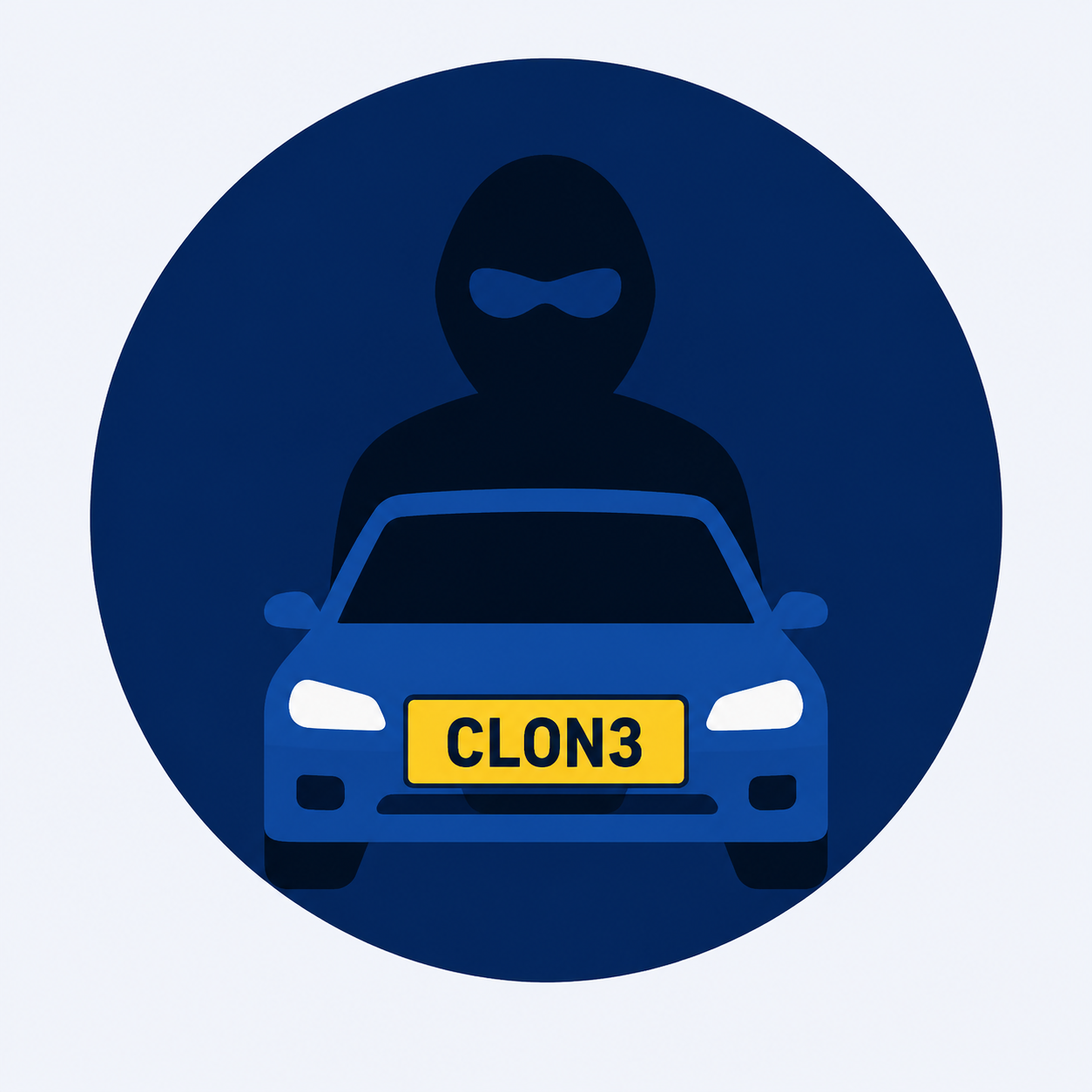
The basic concept is simple. A cloned plate means your registration mark is copied onto an identical model of car, often a stolen vehicle used in fuel drive offs, speeding tickets, or even more serious offences. The victim, you, ends up with the fines, the penalties, and the hassle of proving you were nowhere near the scene. It's a form of identity theft that targets your car rather than your name, but the consequences can be just as damaging.
How plate cloning actually works
Criminals typically target cars that are common on UK roads. A grey Ford Transit, a black Volkswagen Golf, a white Mercedes Sprinter. They look for a vehicle of the same make, model, and colour, then note down its registration number. A set of fake plates is produced, often using simple online services or DIY methods. Those plates go onto a stolen car, or onto a vehicle used for criminal activity. From that point on, any automatic number plate recognition (ANPR) camera reads the cloned plates and logs them against your legitimate vehicle.
The first sign of trouble usually arrives by post. A penalty charge notice for a bus lane you never drove through. A speeding ticket from a road you haven't visited in months. Congestion charge demands, fuel station invoices, even witness appeals for crimes you had no part in. At that moment, proving your innocence becomes your problem. The police have to investigate, but the burden of evidence often falls on you. You need to show that your car was elsewhere at the exact time the offence occurred. That can be difficult when you are just an ordinary driver without a logbook of daily movements.

Why prevention beats cure
Clearing a cloned plate from your record is not quick. It involves contacting the police, providing evidence of your location, and sometimes dealing with the DVLA to get a new registration number. Meanwhile, the fines keep arriving. Some people have spent months untangling the mess, and a few have even ended up in court before the mistake was resolved. The emotional toll and the time lost are hard to quantify, but the frustration is real.
This is why fraud prevention for cars protect-a-plate is worth understanding before you become a target. The idea is not to wait until a letter arrives, but to take steps that make cloning less likely or less effective against you. One of the most straightforward approaches involves monitoring how your vehicle registration is used. If you get an alert when your plate is checked by ANPR cameras in locations you have not visited, you have a chance to act early. That kind of system gives you a record of where and when your car was seen, which can become crucial evidence if someone else is using your plates.
What to look for in a fraud prevention approach
Not all solutions are the same. Some focus on physical plate security, like tamper resistant screws or plates that break if removed. Those can help, but they do not stop someone from simply ordering a new set of plates with your number on them. Registration marks are public information. Anyone can see your plate as you drive past. The real vulnerability is not the physical plate on your car, but the fact that your registration can be used elsewhere without your knowledge.
A more effective layer of protection involves registration verification and alerting. Services that track when and where your plate is checked can provide a digital paper trail. If you receive a notification that your plate was seen on a road you never use, at a time you were elsewhere, you have immediate evidence of cloning. That evidence can be shared with the police and the DVLA to speed up the process of getting a new registration. This shifts the dynamic from reactive to proactive.
There is also the question of how you buy or sell a vehicle. Private sales carry some risk if the buyer or seller is not who they claim to be. Verifying the identity of the other party and checking that the vehicle registration matches the official records can reduce the chance of being drawn into fraud. Simple checks, like confirming the registered keeper details match the seller's documents, are often skipped in a hurry to complete a deal. Taking those few minutes could save you from buying a cloned car or selling your own to a fraudster.
Realistic habits that reduce your risk
No method is foolproof, but a few practical habits make a difference. First, keep a personal record of your mileage. Note the odometer reading at the start and end of each week, or use a simple app. If a penalty notice arrives for a date when your car was parked at home, you have a quick way to dispute it. Second, check your vehicle's registration details online periodically. If someone has changed the address or other details without your knowledge, that is a red flag. Third, be cautious about sharing your registration number. It is visible anyway, but posting it on forums, sale sites, or social media makes it easier for criminals to target you.
Fourth, if you receive a penalty notice that you believe is wrong, do not ignore it. Respond quickly, explain that your vehicle may have been cloned, and ask for photographic evidence of the offending vehicle. Genuine ANPR images often show the driver's face and the car's condition. If the car in the photo has different scratches, tints, or accessories, that is evidence in your favour. Fifth, consider a service that monitors ANPR checks on your plate. The earlier you know about misuse, the faster you can act.
How the system supports you
The UK has a well established vehicle registration framework, but it relies on accurate data. When a plate is cloned, the system itself becomes part of the problem because the database shows your car at two places at once. The police have protocols for dealing with this, but they need your help to prove which sighting is the real one. That is where having a log of your car's movements becomes valuable. It turns the system from a liability into an ally.
Services like fraud prevention for cars protect-a-plate exist to give ordinary drivers that same ability to track and verify their vehicle's identity. They are not about stopping criminals directly; that is a law enforcement job. They are about giving you the data you need to defend yourself when something goes wrong. In that sense, they work alongside the existing systems, not against them.
What the future looks like
As ANPR cameras become more widespread, plate cloning will probably become more attractive to criminals. The more the system relies on automatic reads, the more valuable a clean registration becomes. At the same time, the tools available to ordinary drivers are improving. Real time alerts, secure identity checks, and better data sharing between agencies all help to close the gap between crime and detection.

The key is to treat fraud prevention for cars protect-a-plate as part of normal vehicle ownership, not as an afterthought. You insure your car, you maintain it, you tax it. Adding a layer of registration security is no different. It is a small step that can save a great deal of trouble. The goal is not to live in fear of fraud, but to understand the risks and take sensible precautions. That is the difference between being a victim and being prepared.
For anyone who drives in the UK, the message is straightforward. Your car's registration is a valuable piece of identity. Guard it the same way you guard your passport or your bank details. Fraudsters are opportunistic. They move on when resistance is higher than the reward. Making yourself a harder target is often all it takes to stay safe.
 Twitter
 Facebook
 Instagram